
Change what you eat from morning to night
Small swaps at breakfast, lunch, and dinner add up. You do not need a complicated plan—just a few ideas you can repeat.

Breakfast: one base, many toppings
Oat porridge three days in a row is filling but boring. Pick one base—oats, yogurt, or wholegrain bread—and change what goes on top. Monday: oats with apple and cinnamon. Tuesday: yogurt with frozen berries and seeds. Wednesday: bread with cheese and cucumber. Thursday: oats with banana. Friday: yogurt with stewed fruit when it is in season.
On Sunday, prepare one thing for the week: a jar of overnight oats, boiled eggs, or a tub of yogurt. On weekdays you only choose the topping. A short list on the fridge door stops the “what should I eat?” debate.
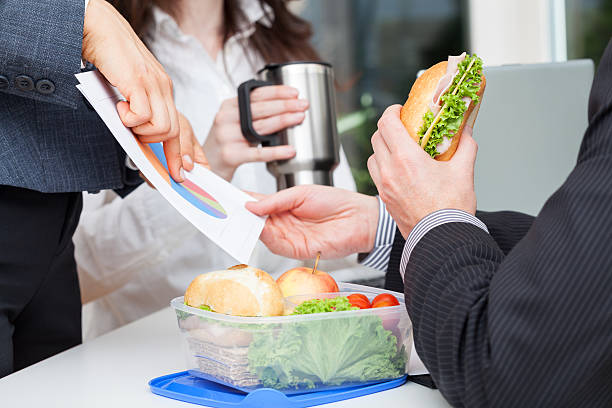
Lunch at work or at home
Build lunch from three parts: something starchy, something with protein, and something crunchy. Starch: wholegrain wrap, rye crackers, barley salad, or leftover potatoes. Protein: tinned fish, hummus, edamame, chicken, or lentil salad. Crunch: carrot, radish, sauerkraut, or apple.
Keep two dressings in the fridge—yogurt-dill and lemon-mustard—and alternate them on the same salad so lunch feels different. Bagged lettuce from the supermarket plus fresh herbs from the market takes five minutes.
Your weekly food swap list
Draw a small table: rows for breakfast, lunch, dinner; columns for days. In each box write one main ingredient—barley, salmon, kale, chickpea, egg, and so on. Try not to repeat the same main ingredient more than twice in a week. Take a photo before shopping and buy only what is missing.
These are not full recipes. They are reminders. “Salmon night” can be tray-bake or salad depending on what you have. Leave two boxes as “quick bowl” or “omelette” for busy evenings.
- Look at last week’s table and circle what repeated too often.
- Pick one new grain, one new vegetable, and one new protein for next week.
- Leave two emergency slots for your fastest dinner ideas.
Shopping in Dutch supermarkets and markets
At Albert Heijn, Jumbo, or the market, walk the fresh section first—vegetables, dairy, fish—then dry goods. Buy one vegetable you have not cooked this month and check a simple recipe on your phone before you pay.
Frozen and canned foods count toward variety when you are short on time. Share a household shopping list in a notes app. Each person adds one item they do not usually buy. That alone makes the week more interesting.
When you cook for more than one person
Agree on two dinners everyone accepts—rice bowls and pasta, for example. Each person picks the vegetable or sauce twice a week. Children can choose “red sauce night” or “green pesto night” without planning the whole menu alone.
Spend fifteen minutes on Sunday: what is in the fridge, what must be used, what is missing from your swap list. No cooking required—just decisions. That makes varied meals easier on Monday and Tuesday.
Common questions
One new food per person per week is a calm pace. Serve it with something familiar so the meal still feels safe.
Yes. Lentils, seasonal roots, frozen vegetables, and bulk grains are affordable. Change spices and lemon or vinegar for variety instead of expensive meat every day.
Choose places with good vegetable sides, share an extra salad, and keep breakfast varied at home. That already widens what you eat in a week.